Urban Homesteading on a Small City Lot: Eggplant
Showing posts with label Eggplant. Show all posts

Tuesday, May 31, 2016

Garden Update with Better Pictures

I finally found and charged the better camera. The last post was done with the camera on my phone in low light, so the pictures weren't the best. These new pictures were taken in the morning sun with my husbands camera which is still just a point and shoot, but it has a great macro setting.

I have planted several alyssum plants around the garden because I have read that syrphid fles are attracted to them and use them as a food source while they are laying the eggs of the larvae that will eat all of my aphids. They are pretty to have around, too.

My larger blueberry bush is just loaded with berries this year. I can't wait to pick them and eat them.


I've already picked several Jelly bean blueberries from the bush that I planted a couple years ago. The two new bushes are a little behind, but that is understandable because I just planted them in the ground this spring.


One of the most exciting things that is going on right now in the garden is the broccoli. Some are getting very close to being ready to harvest:


The rutabagas are getting quite big already:


The beats are just getting their first true leaves:


I have been eating a lot of green onions, but not enough, apparently, to get these guys thinned out. Anyone want some green onions? 


The first potato blossoms are open today. Potatoes have very pretty flowers. My grandma always said if they are flowering then there are new potatoes under there. This is a good thing because the shelling peas are going to be ready in about a week.


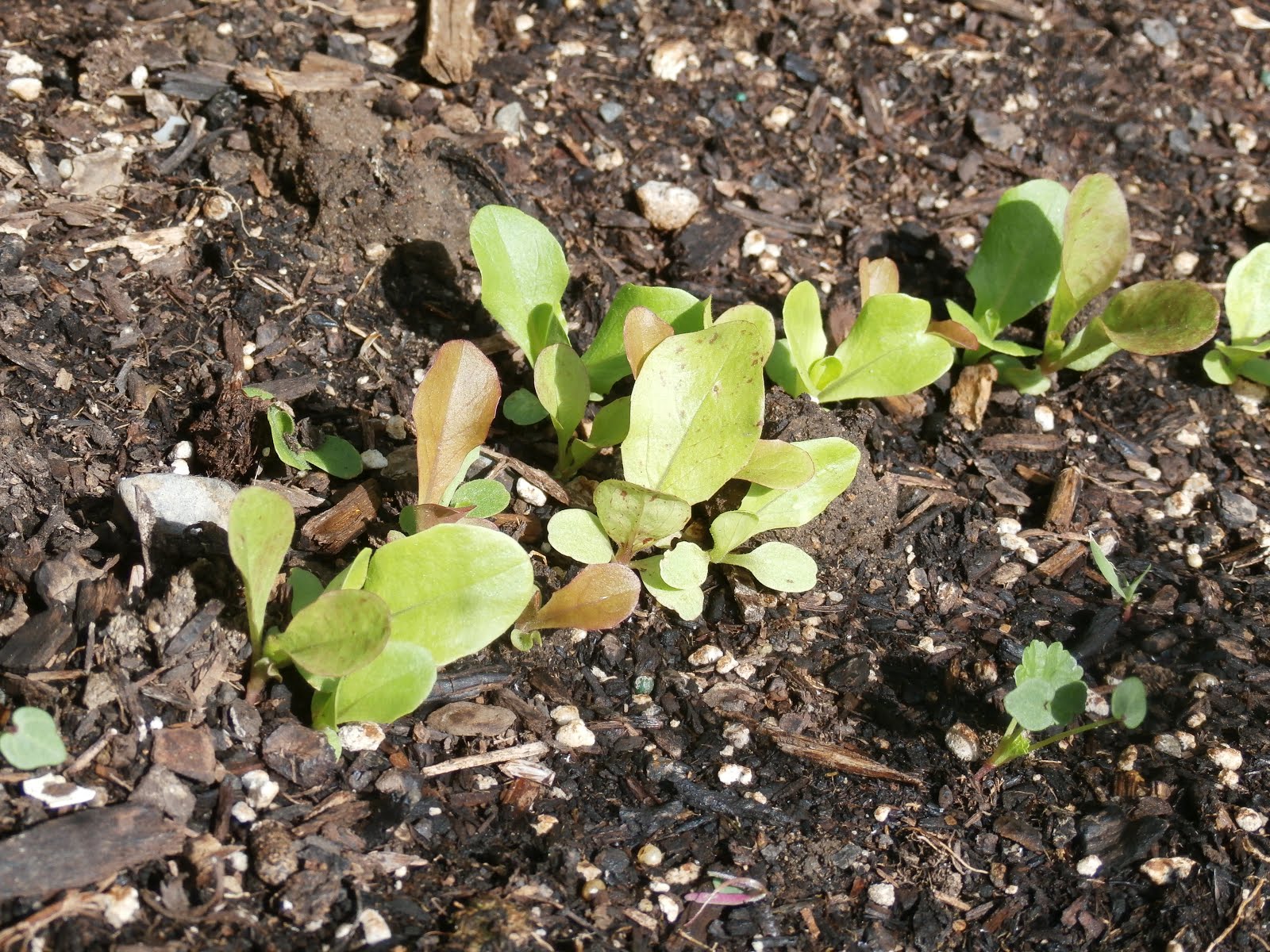
I planted some new lettuce, a mix of romaines, from seed. They are doing well. I will thin them on my next day off.

As always, the fava beans are getting pretty infested with aphids. I think it works out well for the rest of the garden that this happens because it draws in all the aphid predators and gives them somewhere to get established so that they can keep all of the other aphids under control form me the rest of the year. The past three years this method has worked very well. I have gotten other aphids, but for the most part they never get out of hand until very late in the fall. Here is a beautiful lady beetle doing what she does:


If you look very close here you can see the baby lady beetles that have just hatched and are already munching on aphids:


And right next door is another egg mass that will do the same thing, hatch into a voracious aphid eating army:


When my mom gave me the pepper starts that she started for me, there was one that was much smaller than the rest. My mom even told me she wouldn't bother planting it out because t probably wouldn't grow. I planted t anyway because I just happened to have a space for it. It is really coming along. It hasn't caught up to its brothers yet, but I think it will:


Another beneficial flower I always plant around the garden. They are looking very nice.


The raspberries are looking so good:


And Molly's golden raspberries:


The Niagara grapes are looking like grapes already:


The red table grapes, however, are just beginning to flower:


The eggplant is just about to flower. I love how they buds look on these things. Their flowers are also very pretty:


Well, I have to get ready for work, so  will post more later, maybe, if I get around to it.


Wednesday, March 26, 2014

I Said It Was a Jungle Before? What Is It Now?


Okay, I admit it.  I am horrible about starting projects like this blog and not finishing them. I left off blogging about my jungle of a garden last year in June.  Obviously, there was a lot more story to tell.  I just didn't get around to telling it.  This post was left in draft stage with just the pictures imported in August. They were taken August 12th. You can see that the jungle just got more amazingly huge as the months went on.  August and September last year were the hottest driest weeks I've ever had to nurse a garden through.  Every day was over 85, with over half the days in the upper 90's. The more sensitive plants were not happy about it.  The runner and pole beans, pretty much shut down. No matter how much I kept them watered, they wouldn't flower of set any beans. Many leaves on the afternoon sunny side even got fried in the hot sun. (see below)


You might notice in the above picture the squash vines have wilted.  This is mostly due to the squash bug feeding, but I am sure the heat didn't help.


The beans that I planted around the chicken coup did help the chickens to stay cool, and some of them actually made beans in the shade of the coup.


All of the pumpkin plants died.  I had the most overwhelming infestation of squash bugs you can imagine.  I am also wondering if they carry a disease. I read a journal article about yellow vine wilt, a plant disease that is carried by squash bugs, and is fatal to pumpkin plants. It has not been documented in our state.  I read it too late to be able to send them a sample of my vines. I don't think I will plant pumpkins this year. They take a lot of room and work, so if they are going to die like that, it really isn't worth it. The butternut squash and the unknown hybrid F2 revert shown below didn't succumb to the disease, and did make a few smallish fruit, despite the squash bugs.


The mammoth sunflowers did reach 12 feet.  Some of them fell over.  I think that is because I plated them underneath the roof overhang and they had to lean out to get the sun. Some of them just got too heavy on the top to be able to hold that slanted orientation. Despite the constant occupation of the flowers by longhorn bees, about half of the sunflower seeds were empty when it came time to shell and eat them.  That was kind of disappointing.  The seeds that weren't empty were large and delicious.


The sunflowers did shade Molly's windows pretty well, but I think this year I will plant the runner and pole beans here on strings connected to the eaves.  It seams like a good cool shadier place for them during the hottest days and they should grow thicker and provide better shade.


The strawberries didn't produce much in their first year, but next year they will make loads, hopefully.


You can just scroll down through the rest of the pictures....


Mostly Peppers

Rosa Blanc Eggplant - I am not a big fan.


Hansel Eggplant - Awesome!


Gourds and cucumber
We did end up getting several dried gourds.  They have just finished curing and Molly is looking forward to crafting some bird houses, water bottles and pots out of them.


We did end up getting quite a few cucumbers despite the fact that I crowded and shaded them pretty bad.


The nasturtiums and marigolds really got big, too big.


I planted too many tomatoes, but it didn't matter because they were a huge disappointment:


It was very hard to keep them consistently moist like they like, so many of them got end rot.

The rest of them were fed upon by stink bugs like this one above

and this one.

Pretty soon the tomatoes looked like this. Gross! You can't see the inside of the tomato, but each of those marks on the outside means there is a white pea-sized tough mass on the inside.  The taste is bitter and the skin is tough. Just not yummy at all.

I did get enough good tomatoes to can 14 quarts and 7 pints, but with the number of plants I planted it should have been much more.  I will only plant a few tomatoes this year and I will mulch them heavily.  I have also installed soaker house systems to make the watering more convenient and therefore more frequent and regular. It is bad to grow tomatoes, peppers or potatoes in the same place you did the year before.  That doesn't leave me many options for this year.  I will have to do a better job planning for rotations this year.

RIP poor little comise pear tree.  For some reason, it died over the winter this winter.  It gave me three pears last year and some grafting experience. I will not be replacing it this year.


The rhubarb did recover after the ants and earwigs were removed, and I look forward to being able to harvest it this year when the strawberries are ripe for strawberry rhubarb squares and Rhubarb pie. Yum.


Here is a picture of the last double yolker I got from my girls. They quit laying in November for about four weeks while they molted.  I got a bit worried when it was daytime highs of 18 degrees Fahrenheit and they were molting with some bald spots, so I knitted them some sweaters.  What a comedy that was.  They hated them and promptly got out of them, or mostly out of them after I had to struggle to get them on.  I settled for rubbing coconut oil on their combs, feet and exposed skin regularly.  They started laying slowly in December and then were up to full speed, about one egg per chicken per day, by the middle of February.